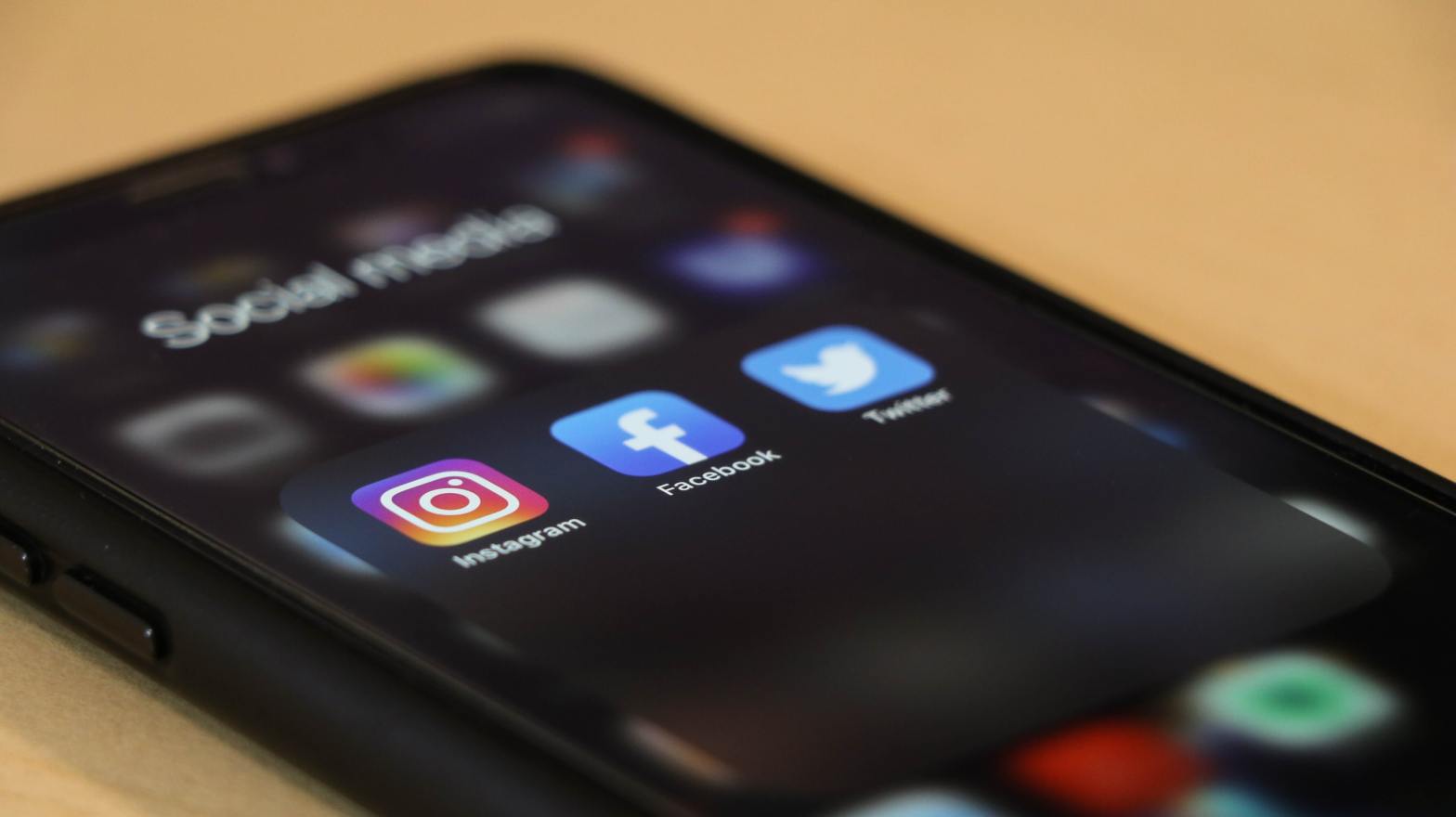
In the era of hashtags, likes, and shares information is available when we want it, where we want it, and how we want it. We have access to a diverse platform of narratives, information, art, and entertainment quite literally at our fingertips.
Social Media provides a stage. Social media forms an opportunity to create an identity for the world to see. What can we do with this stage? What is your identity?
The intersection between social media and activism
Activism has always been a part of our culture. Our country was founded on activism. Ever wonder what it would have been like if George Washington could have gotten his hands on twitter?
The age of social media has created a world where people have a place to share their thoughts with the public, regardless of if you get one like or one million likes, social media provides a chance for your voice to be heard.
The growth of social media throughout the 2000s has been astronomical. The Pew Research Center tracked a 67% increase in social media usage from 2005 to 2019. We see activism enter the arena in a big way around 2013 with the birth of #BlackLivesMatter.
The acquittal of George Zimmerman, following the murder of Trayvon Martin triggered a social media revolution. It became a place where people could be angry, upset, confused, not just share what they were eating for dinner that night. Since then we have seen the emergence of #metoo, #lovewins, and #timesup among other powerful movements.
Accessibility
The increased popularity of social media has increased the amount of accessible information and news, for better or for worse. In an instant you can see what is trending on twitter, what the president has most recently said, or what your favorite celeb is sharing. With that, it is vital to remember what with a downpour of information can come a flood of misinformation. One of the things that is beautiful about social media is that there is little filtration of information, we are allowed to share what we want to share. As a viewer, however this can be misleading and lead to false information or illegitimate news. Use social media as a stepping off point, don’t fall victim to click bait, look past the first article or post you see.
Not only is the intake of information more available but the sharing of information is more participatory as a result of the evolution of social media. Social media gives a larger group of people the opportunity to act. A category of individuals who benefits greatly from this opportunity is the youth in our communities. This is a category of people who are not old enough to vote, who may not have their own money to spend, but they have voices with just as much power and oftentimes even more knowledge than their elders. Remarkable youth like Emma González, who led the March for Our Lives movement have shown just how important it is for young people to have the ability to become activists, social media is one resource that promotes this.
Trends and challenges and hashtags, oh my!
One of the reasons social media is such an effective tool for activists is the speed of sharing, and determination of users to feel a part of a social media trend or movement. You can use that determination to your advantage! Kick start your cause through a challenge or thread people will want to participate in. We have seen immense success from this tactic on a number of occasions. One in particular that took over social media was the ALS ice bucket challenge. Our timelines were flooded with people dumping buckets of ice water on themselves to raise awareness for Amyotrophic Lateral Sclerosis (ALS). With all of that being said, efforts must not end with a singular post. Finding ways to maintain relevance is necessary for success as an online activist.
One great way to do this is through the creation and consistent use of hashtags. Hashtags have the power to become more than a post. They can become the movement. #MeToo lit a fire with a single tweet. While the Me Too movement had begun nearly ten years prior, social media made the movement even more visible. It encouraged individuals to come forward expressing “MeToo”, they too had experienced sexual assault. This allowed survivors to share their story and or see they were not and are not alone. These movements along with others like them always had the importance. Social media gave them the platform they needed in order to be amplified and reach a wider audience.
Starting to use social media as an activist
When using your platform to become an activist take the time to reflect first. Start by determining your personal core values or your company’s core values. Next, consider how you can best share those values and turn them into goals. Before taking to your platform, do your research. Is there a larger group already supporting this cause if so, how can you help them promote their cause through your social media? If not, find organizations with similar values to help share your goals; there is great strength in numbers. Being an activist is about giving a voice to a mission. What needs to be said? Finally, consider how you can best tailor your information to your audience. So, to break that down:
- What do you care about?
- What are your goals in relation to what you care about?
- To whom and how will you best share this passion.
Activism is about action, and sometimes getting wrapped up in social media we forget that. Even in the age of social media it is important to remember that while social media creates an incredible stage people create change.

 Samantha Levinson